
By Peter Thomason, Chartered Physiotherapist, Hallamshire Physiotherapy Clinic, Sheffield
How many times have you been told to “sit up straight”?
For years, we’ve been led to believe there’s a single “perfect posture” that will prevent back and neck pain. The reality is a little more reassuring—and much more practical.
As a physiotherapist, one of the most common questions I’m asked is, “Is my posture causing my pain?”.
While posture can play a part, the latest evidence suggests our bodies are designed to move, not to stay in one position for hours at a time.
Whether you spend your day behind a desk, on a factory floor, driving between appointments or working from your kitchen table, movement is one of the simplest, and most effective ways to keep your muscles and joints healthy.
There Is No Such Thing as a Perfect Posture
Let’s be clear: posture does matter—but probably not in the way you’ve been told.
There are certainly postures that place more stress on particular muscles, joints and ligaments than others. Spending hours hunched over a laptop, twisting awkwardly at a workstation or craning your neck towards a screen is likely to feel uncomfortable eventually.
However, there isn’t one universally “correct” posture that everyone should adopt.
As physiotherapist Chris Worsfold explains in his excellent article, “Three reasons you have neck pain – and why ‘bad posture’ probably isn’t one of them”, neck pain is influenced by many factors, including stress, sleep, physical activity, previous episodes of pain and, importantly, how long we stay in one position rather than simply whether we sit perfectly upright.
I’d much rather see someone sit in a less-than-ideal posture for five minutes before getting up, stretching and moving, than sit in a textbook “perfect” posture for three hours without a break.
The issue usually isn’t the posture itself—it’s the duration.
A phrase we often use in physiotherapy is:
The best posture is your next posture.
Changing position regularly gives your muscles a chance to share the load, improves circulation and helps reduce the stiffness that naturally develops when we stay still for long periods.
Movement Is Medicine. Our bodies thrive on variety.
Muscles, joints and spinal discs are all designed to tolerate movement and different positions throughout the day. They become less happy when they’re asked to do exactly the same thing for hours at a time.
Simple habits can make a real difference:
- Stand up during phone calls.
- Take a two-minute walk every hour.
- Stretch while the kettle boils.
- Alternate between sitting and standing if you have a sit-stand desk.
- Change your working position regularly.
- If your job is physically demanding, vary your tasks where possible and build recovery into your day.
These changes don’t need to be dramatic. Small, consistent movement breaks are often more valuable than waiting until you’re stiff and sore.
It’s Not Just Office Workers
When people hear “work-related aches and pains”, they often picture someone sitting at a computer all day.
In reality, musculoskeletal problems affect every industry.
Healthcare professionals spend hours on their feet. Drivers remain seated for prolonged periods. Warehouse workers lift repeatedly. Factory staff often perform the same movements hundreds of times during a shift. Tradespeople work in awkward positions that place high demands on the body.
Each role has its own challenges, but the solution is rarely finding one “perfect” position. It’s about balancing the demands placed on your body through movement, strength, recovery and good working habits.
Don’t Ignore Persistent Pain
It’s perfectly normal to experience the occasional ache after a busy week.
However, pain shouldn’t become something you simply accept as “part of the job.”
If pain:
- lasts longer than a couple of weeks,
- keeps returning,
- affects your sleep,
- limits your work, hobbies or exercise, or
- makes you avoid certain movements,
it’s worth seeking professional advice.
Early assessment and treatment can often prevent a relatively minor problem from developing into something that takes much longer to recover from.
Looking After Your Most Valuable Asset
Whether you’re running a business, managing a team or simply trying to get through a busy working week, your health underpins everything you do.
Instead of worrying about finding the perfect posture, focus on something much more achievable:
Move regularly. Change position often. Listen to your body.
Because the best posture isn’t one you hold all day—it’s the next one you move into.
About the Author
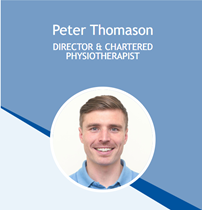
Peter Thomason is a Chartered Physiotherapist at Hallamshire Physiotherapy Clinic, where we help people across Sheffield recover from injury, manage persistent pain and stay active through evidence-based physiotherapy.
www.hallamshirephysiotherapy.com
0114 267 1223
Exclusive Offer for readers of this blog:
To support the Sheffield community, we’re pleased to offer 20% off an initial physiotherapy assessment for Chamber members in September 2026.
Please email us at info@hallamshirephysiotherapy.com and mention this blog post.
Whether you’re struggling with a persistent ache, recovering from an injury or simply want expert advice to keep moving well, we’d be delighted to help.
Further Reading
- Worsfold C. Three reasons you have neck pain – and why “bad posture” probably isn’t one of them. The Conversation: https://theconversation.com/three-reasons-you-have-neck-pain-and-why-bad-posture-probably-isnt-one-of-them-121159
- Neck pain and cervical spondylosis. Versus Arthritis: https://versusarthritis.org/about-arthritis/conditions/neck-pain/
- Slater D, et al. Sit Up Straight: Time to Re-evaluate. Journal of Orthopaedic & Sports Physical Therapy, 2019.